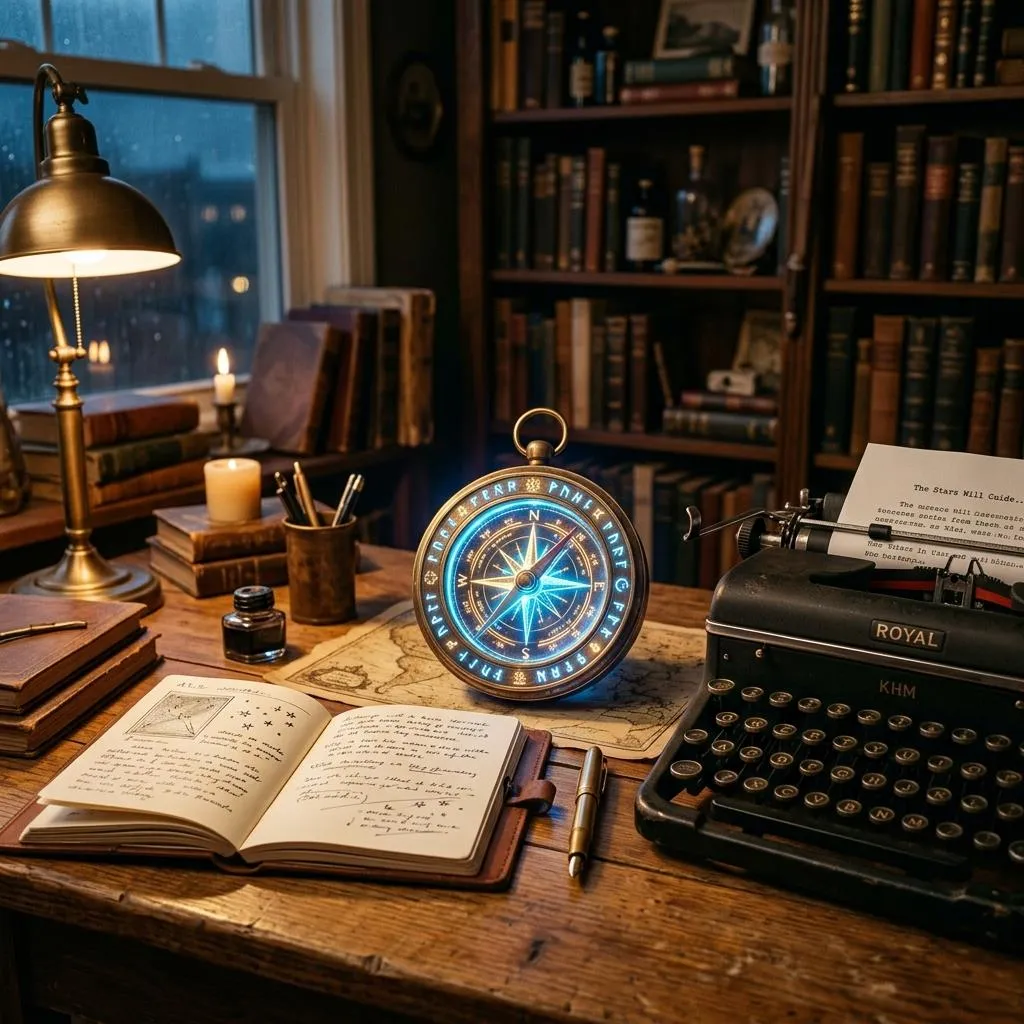
Household Objects to Sketch – Still Life Drawing Tool

Generate random objects instantly for drawing practice, writing prompts, brainstorming, creativity exercises, and fun challenges.

✓ Free ✓ No Signup ✓ Instant Results
Generate Random Objects

What Is a Random Item Generator for Artists?

A random item generator is an essential digital tool designed specifically for artists, illustrators, and hobbyists to overcome art block. By instantly generating a unique combination of items, textures, and lighting, it provides immediate sketching ideas, daily drawing challenges, and concepts for visual development.
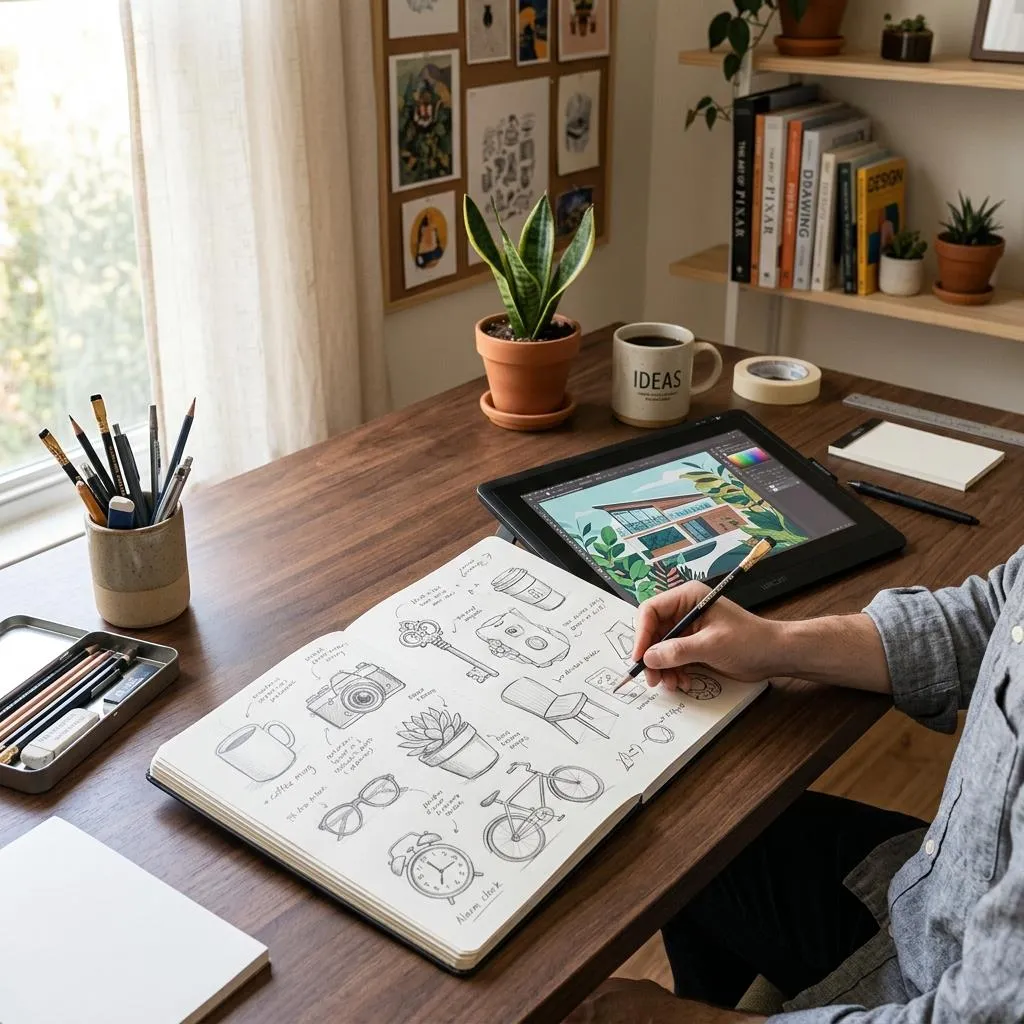

How Do Artists Use This Generator?

🎨

1. Overcome Blank Canvas Syndrome

Stop staring at a blank page. Generate an item instantly and start putting graphite to paper within seconds.

📐

2. Practice Form & Perspective

Draw complex mechanical or organic items from multiple angles to rapidly improve your spatial awareness.

💡

3. Material Studies

Generate items made of glass, metal, or wood to challenge your rendering and digital painting skills.

Best Uses for Sketching and Art

  • Inktober & Daily Prompts Keep your daily sketching streak alive with a continuous stream of fresh, unique drawing subjects.
  • Prop Design Design items, weapons, and tools for video games and concept art portfolios.
  • Still Life Compositions Generate a collection of items to arrange into a beautiful traditional still life study.
  • Tattoo Flash Sheets Discover weird and wonderful items to incorporate into traditional or neo-traditional tattoo designs.
Studio Drawing Fundamentals

Why Artists Practice Household & Everyday Objects

Domestic still-life items provide an immediate, accessible masterclass in light physics, contour angles, and volume rendering.

5-Value Zone Architecture

Map highlight, halftone, core terminator, reflected bounce, and cast shadow across everyday ceramics and kitchen vessels.

Sight-Size Envelope Blocking

Train proportional precision by framing domestic props inside loose boundary polygons before committing to interior lines.

Ellipse & Cylinder Geometry

Master minor axes and curved symmetry across mugs, glasses, thermos cups, and jars at any perspective angle.

Fabric Drapery & Fold Types

Combine kitchen towels, aprons, and napkins with hard surfaces to observe pipe, drop, and spiral cloth tension.

20-Minute Kitchen Drills

Overcome art block and blank canvas paralysis with focused, timed rapid sketches using tabletop props.

Printable Practice Sheets

Export cleanly formatted multi-item sketch worksheets with high-resolution reference photos for classroom or studio study.

Still Life & Sketching Masterclasses

Level up your pencil technique with specialized still-life setups, shadow mechanics, and guided drawing paths.

Still Life Studio Guide

Master directional desk lamp setups, shadow terminators, and the classical 5-value architecture.

Read Studio Guide

Drawing Ideas for Beginners

Essential mark-making mechanics, contour exercises, and confidence-building drills for new illustrators.

Beginner Drills

Household Object Generator

Generate domestic culinary and decor items with instant Wikimedia reference photography.

Household Generator

50 Random Things to Draw

Eclectic sketching exercises spanning tools, nature, instruments, and complex everyday forms.

Browse 50 Prompts

30-Day Drawing Challenge

Build a rock-solid daily sketchbook routine with curated prompt paths and difficulty milestones.

Start 30-Day Habit

Food Illustration Prompts

Master highlights on glazes, rough pastry textures, and organic culinary still life subjects.

Culinary Guides

Step-by-Step Shading & Proportions: Household Objects to Sketch

Learning how to draw requires learning how to observe. Our Household Objects to Sketch Generator is engineered specifically for beginner and intermediate illustrators looking to master shading, linear perspective, and relative proportions using objects right in their own homes.

Proportional Accuracy: The Sight-Size Envelope Method

Before adding shading, you must secure correct proportions. Professional classical academies teach the **envelope blocking method**: sketch a loose outer container polygon around your item setup to mark its absolute height and width boundaries. Use your pencil at arm's length to measure unit ratios and ensure details line up correctly.


Core Shading Zones on Domestic Objects

To capture three-dimensional reality, divide your pencil drawing into these five distinct lighting zones:

1. High Light Specular

The brightest spot facing directly toward the lamp. Leave this spot as pure white paper without any pencil markings to simulate direct glare.

2. Core Form Shadow

The darkest value on the object surface itself, representing where the form curves completely away from the illumination vector.

3. Cast Surface Shadow

The dark footprint shape projected onto the table. Make edges sharp closest to the object base and soft/blurry as the shadow extends outwards.


Beginner Drawing Mistakes to Avoid

Be mindful of these common visual traps as you practice sketching everyday props:

  • Drawing Symbol Outlines: Avoid drawing what you *know* the object looks like. Sketch exactly what you *observe* (e.g. cylinders are often flat ellipses from an angle).
  • Ignoring Ambient Bounce: The shadowed side of an item is rarely flat black. Light bounces off the table surface back onto the shadow zone, creating a subtle gray glow.
  • Over-detailing early: Always capture general proportions and values first before detailing handles, labels, or textures.

Latest Creative Resources

View All Articles
101 Random Things to Draw

101 Random Things to Draw When You're Bored

Never run out of inspiration with our massive list of sketch prompts.

Read More
Best Pictionary Words

Best Pictionary Words for Your Next Game Night

Win every game with these fun and challenging drawing words.

Read More
Creative Writing Prompts

Creative Writing Prompts Using Random Objects

Turn simple items into compelling narratives with these hooks.

Read More

Frequently Asked Questions

What is a random object generator?

A random object generator is a free online tool that produces random nouns, items, and descriptions to inspire artists and writers. Unlike basic word lists, our system mixes detailed context, lighting, and settings to give you full visual prompts.

How can artists use random object generators?

Artists use random object generators to overcome creative block and practice fundamental skills. It solves the 'what to draw' dilemma by instantly providing concrete subjects with suggested environments and textures for focused sketching sessions.

Can I use this tool for drawing practice?

Absolutely. The 'Drawing Ideas' and 'Household Objects' categories are specifically designed for daily drawing practice. You'll find thousands of unique subjects like 'Rain-soaked lanterns' to help you build your portfolio.

Is this random object generator free?

Yes, all features of this random object generator are 100% free to use. There are no paywalls, no signup requirements, and you can generate unlimited creative prompts.

How do random object prompts improve creativity?

Random object prompts improve creativity by introducing unexpected constraints. By making the first big decision for you (what to draw or write about), the tool removes decision fatigue and forces you to think outside the box.

Ready to Unlock Your Next Big Idea?

Join thousands of artists and writers using the smartest object generator to break creative blocks and master their craft.

Start Generating Now
Generate Idea ✨